Explore Our Success: Solar Power Plants and Substations

The world is undergoing a significant transformation in energy production, with solar power leading the charge. As we shift towards sustainable energy sources, solar power plants and substations play a crucial role in this transition. This blog post will explore the success stories of solar power plants and substations, highlighting their impact on energy production, environmental sustainability, and community development.
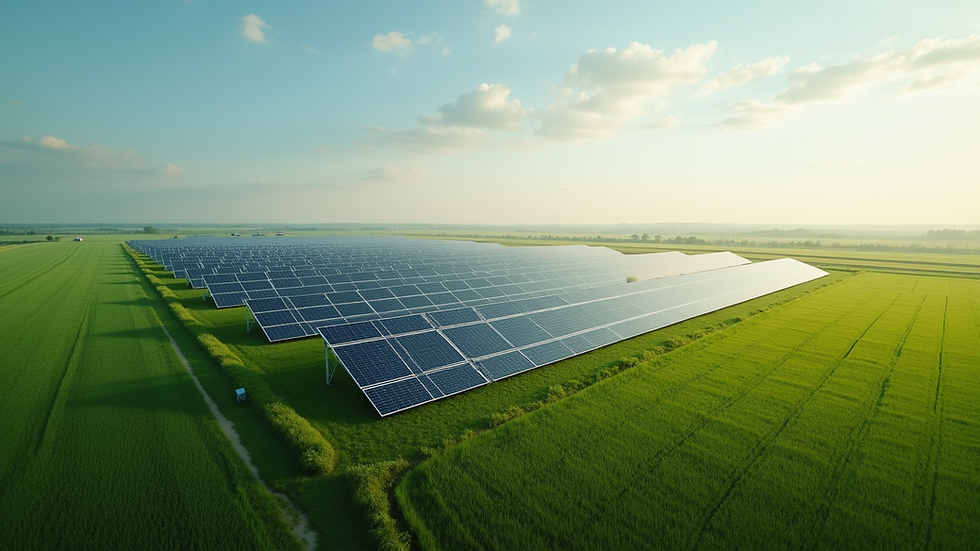
Understanding Solar Power Plants
Solar power plants convert sunlight into electricity using photovoltaic (PV) cells or concentrated solar power (CSP) systems. These plants can vary in size, from small residential installations to large utility-scale facilities.
Types of Solar Power Plants
Photovoltaic (PV) Solar Power Plants
Description: PV systems use solar panels to convert sunlight directly into electricity.
Example: The Topaz Solar Farm in California, covering 9.5 square miles, generates enough energy to power 160,000 homes.
Concentrated Solar Power (CSP) Plants
Description: CSP systems use mirrors or lenses to concentrate sunlight onto a small area, generating heat that produces electricity.
Example: The Ivanpah Solar Electric Generating System in California uses CSP technology to produce 392 megawatts of electricity.
Benefits of Solar Power Plants
Renewable Energy Source: Solar energy is abundant and renewable, reducing reliance on fossil fuels.
Environmental Impact: Solar power plants produce minimal greenhouse gas emissions, contributing to cleaner air and a healthier planet.
Job Creation: The solar industry has created thousands of jobs in manufacturing, installation, and maintenance.
The Role of Substations in Solar Power
Substations are critical components of the electrical grid, facilitating the transmission and distribution of electricity generated by solar power plants. They transform high-voltage electricity from power plants into lower voltages suitable for consumer use.
Key Functions of Substations
Voltage Transformation
Substations step down high-voltage electricity to a lower voltage for safe distribution to homes and businesses.
Grid Stability
They help maintain grid stability by managing the flow of electricity and balancing supply and demand.
Integration of Renewable Energy
Substations enable the integration of solar energy into the grid, allowing for a more diverse energy mix.
Examples of Successful Substations
The Mount Hope Substation in New Jersey: This substation supports the integration of solar energy from nearby solar farms, enhancing grid reliability and efficiency.
The San Diego Gas & Electric Substation: This facility plays a vital role in connecting solar power plants to the grid, ensuring that renewable energy reaches consumers.
Case Studies of Successful Solar Power Projects
1. The Noor Ouarzazate Solar Complex, Morocco
The Noor Ouarzazate Solar Complex is one of the largest solar power plants in the world, with a capacity of 580 megawatts. It utilizes both CSP and PV technologies to generate electricity. This project not only provides clean energy to millions but also creates jobs and stimulates local economic growth.
2. The Kamuthi Solar Power Project, India
Located in Tamil Nadu, the Kamuthi Solar Power Project boasts a capacity of 648 megawatts, making it one of the largest solar power plants globally. The project has significantly reduced carbon emissions and has become a model for solar energy initiatives in India.
3. The Copper Mountain Solar Facility, Nevada
With a capacity of 802 megawatts, the Copper Mountain Solar Facility is a testament to the potential of solar energy in the United States. This facility has helped to power thousands of homes while contributing to local job creation and economic development.
Challenges and Solutions in Solar Power Development
While solar power plants and substations offer numerous benefits, they also face challenges that must be addressed to ensure their success.
Common Challenges
Intermittency of Solar Energy: Solar energy production can be inconsistent due to weather conditions and time of day.
High Initial Costs: The upfront investment for solar power plants can be significant, deterring some investors.
Land Use Concerns: Large solar farms require substantial land, which can lead to conflicts with agricultural or conservation interests.
Innovative Solutions
Energy Storage Systems: Technologies like batteries can store excess energy generated during sunny periods for use during cloudy days or at night.
Government Incentives: Tax credits and subsidies can help offset initial costs and encourage investment in solar energy.
Dual-Use Solar Farms: Combining solar farms with agricultural activities can maximize land use and minimize conflicts.
The Future of Solar Power Plants and Substations
The future of solar power is bright, with advancements in technology and increasing investments in renewable energy. As more countries commit to reducing carbon emissions, the demand for solar power plants and substations will continue to grow.
Emerging Trends
Floating Solar Farms: These innovative installations utilize bodies of water to host solar panels, reducing land use and increasing efficiency.
Smart Grids: The integration of smart technology in substations will enhance grid management and improve the reliability of solar energy distribution.
Community Solar Projects: These initiatives allow individuals and businesses to invest in solar power without needing to install panels on their properties.
Conclusion
Solar power plants and substations are at the forefront of the renewable energy revolution. Their success stories demonstrate the potential of solar energy to transform our energy landscape, reduce environmental impact, and foster economic growth. As we continue to innovate and invest in solar technology, we can look forward to a sustainable energy future that benefits everyone.
By embracing solar power, we not only harness the sun's energy but also pave the way for a cleaner, greener planet. The journey towards a sustainable future is ongoing, and every step we take towards solar energy is a step towards a brighter tomorrow.

Comments